← The Journal · 8 min read
From a Hilo kitchen to a mainland co-packer
How a small Hilo chili-water brand graduated from a shared commercial kitchen through a Honolulu pilot plant to a West-Coast co-packer — without losing the thing people drove across the island for.
By Keoni Apaʻa · May 2, 2026
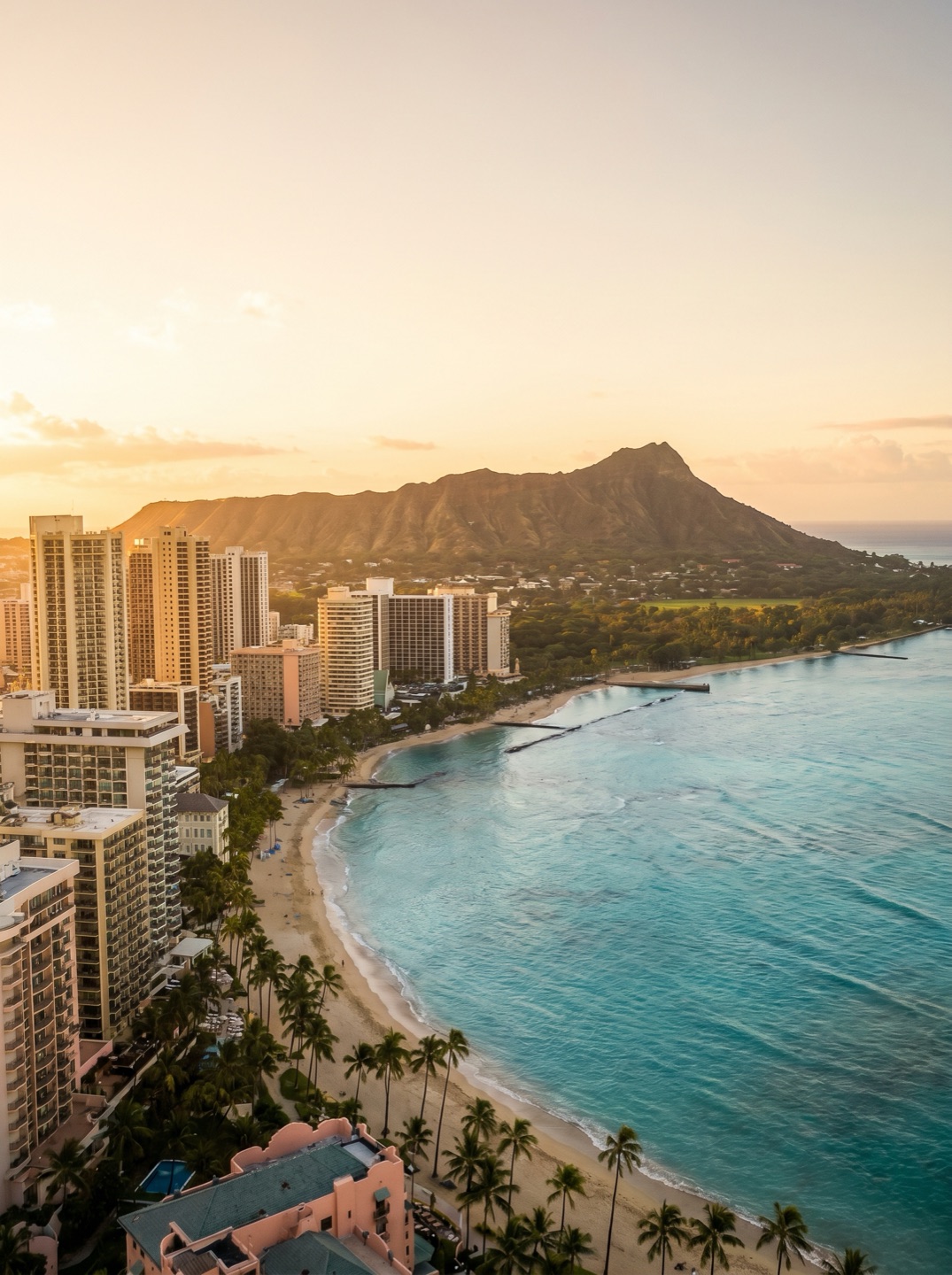
The first case of Waiākea Chili Water was bottled in a rented commercial kitchen on a side street in Hilo. Forty-eight bottles. Gone in one Saturday at the Maku‘u farmers market in the spring of 2023.
Three years on, the brand ships to about three hundred independent grocers across the islands and a growing list of specialty accounts on the West Coast. The recipe hasn't changed. What changed is the infrastructure underneath it — and the path the founder, Tiare Souza, walked to get there.
Stage one: the shared kitchen
Souza started where most Hawaiʻi food makers start: in a licensed shared-use kitchen, paying by the hour, sharing the walk-in with a baker and a kombucha operation. The kitchen she used in Hilo is one of dozens across the state listed on commercialkitchens.org — the Alliance arm that maps shared and rentable commercial-kitchen space nationally.
“I didn't need to own a stove,” she says. “I needed to bottle two hundred units on a Sunday without my landlord calling the fire department.”
Stage two: the pilot plant
When the orders crossed the point where a single induction burner couldn't keep up, Souza flew her production to a pilot plant on Oʻahu, in Kalihi. Pilot plants — small, food-safe lines that can run a few thousand units without committing to a full co-packing contract — are the missing middle for almost every island food brand. The Alliance keeps a directory at pilotplants.org. Souza ran her first five-thousand-bottle batch at one of those listings.
That run was the first time the brand sold into a regional chain. It was also the first time she had to think about case packs, a low-acid process letter, and the freight math of shipping glass across the Pacific.
Stage three: the co-packer
Last fall, Waiākea moved its full production to a co-packer outside Sacramento — a mid-size facility on the Alliance's contract-manufacturing roster (co-packing.org). The chili pepper is still grown in Puna. The water is still the point. The bottling line is now someone else's, on the mainland, closer to the glass and the West-Coast accounts.
“The thing I was most scared of,” Souza says, “was that it would start tasting like a mainland product. It doesn't. We pick the co-packer the way we picked the kitchen — we walk the floor, and we bring our own pepper.”
Why this is the path
Hawaiʻi has the agricultural side of a great food brand and almost none of the connective tissue — the people who know which shared kitchen will let you hot-fill on a Sunday, which pilot plant can run a low-acid sauce, which co-packer will take an island brand seriously without flattening it.
That connective tissue is what the StateProud Network and the Contract Manufacturing Alliance behind it are quietly assembling. MahaloMade is the Hawaiʻi node. We don't run the kitchens or the plants. We're the ones who can tell you which door to knock on first.
— end —